September 28, 2026 • Celeste Morrow • 11 min reading time • Prices verified June 6, 2026
Artificial Flowers for DIY Crafters: Money Bouquets, Baptism Keepsakes, and Party Decor
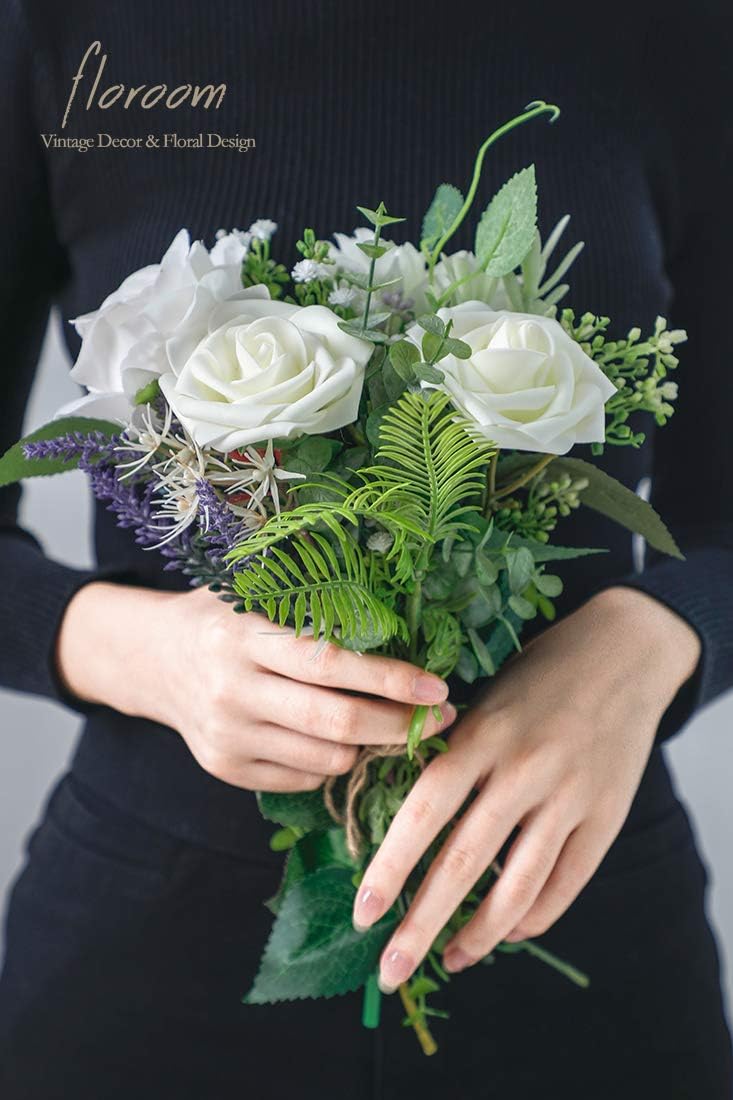
If you’ve ever seen a bouquet where folded dollar bills fan out between petals like they grew there, or received a small floral arrangement as a christening gift and wondered how it was made — both of those are DIY craft projects that real buyers are pulling off with artificial flowers right now. Artificial flowers (also called faux botanicals or faux stems) are synthetic blooms made from materials like foam, silk, or latex-coated plastic, designed to look and sometimes feel like the real thing without wilting. For craft projects specifically, the material choice matters more than most buyers expect — not because of aesthetics alone, but because of structural properties: how a stem bends, how heavy a petal cup is, whether the flower holds its shape when you tuck a folded bill inside it. This guide is for the crafter who already knows faux flowers exist and is now asking the sharper question: which kind, and why, for this specific project?
| EDITOR'S PICKSggvecsy 50 Pcs Artificial Rose… | Mid-tierFloroom Artificial Flowers 25pc… | Budget pickFloweroyal 2 Bunches Peony Arti… | |
|---|---|---|---|
| Piece count | 50 | 25 | 2 |
| Flower type | Roses | Roses | Peonies |
| Color | Red | Ivory | Pink |
| Material | Velvet silk | Foam | Silk |
| Stems included | ✓ | ✓ | — |
| Bouquet form | — | — | ✓ |
| Price | $25.99 | $12.99 | $9.89 |
| See on Amazon → | See on Amazon → | See on Amazon → |
The Material Decision: Foam, Silk, and PU Real-Touch — What Each One Actually Does in a Craft Context
The Spruce’s buyer’s guide on artificial flower types does a solid job of separating the three main material families, and that framework is worth anchoring to before diving into specific use cases.
Foam roses (sometimes called PE foam or real-touch foam) are molded from a lightweight polyethylene foam that holds a petal shape with unusual precision. The cup shape of a foam rose petal — that inward curve — is not decorative accident. It’s structural. Reviewers of the Floroom foam rose set consistently describe the petal shape as naturally suited to cradling folded bills without the flower collapsing under the weight. That’s a real mechanical advantage: the foam holds its form under load in a way that a soft silk petal simply doesn’t. The trade-off is stem gauge. Across aggregated reviews of the Floroom set, a recurring pattern emerges: the wire-core stems are thinner than buyers expect, which matters when you’re assembling a money bouquet that will be handled repeatedly or a baptism keepsake meant to last years. One reviewer documented making a baptism keepsake work despite the thin stems — but noted it required reinforcing the wire wrap before final assembly. That’s a real labor step worth planning for.
Silk flowers (or polysilk — a polyester fabric stretched over a wire-and-plastic armature) offer the opposite trade-off: sturdier stems, softer petals. The petal surface has enough give that it drapes naturally, which reads beautifully in loose arrangements. But for money bouquets specifically, that softness becomes a liability. Folded bills want a rigid petal wall to lean against. Silk gives way. If your project is decorative display where the bills are slipped in for a photo moment and then removed, silk is fine. If the recipient is meant to pluck bills out one by one over time (as many graduation gift bouquets are designed to work), you want foam.
PU real-touch (polyurethane-coated, sometimes called latex-coated) is the premium tier for tactile realism. The outer surface mimics the slight waxy resistance of a real petal. For client-facing craft work — items being sold or gifted where the recipient will touch the flower — reviewers who run craft businesses consistently flag zero chemical odor as a non-negotiable. The SITUMEIZI tulip, reviewed by a crafter who explicitly describes running a craft business, highlights odor-free construction as the reason for repeat purchase. PU stems tend to carry a higher per-stem price than foam or silk, and they’re overkill for money bouquets (where the bills are the visual centerpiece, not the flower). But for a baptism keepsake going into a shadow box or a gift that will sit on a shelf for a decade, PU real-touch earns its cost-per-year math.
Craft-Specific Use Cases: What the Project Actually Demands
Money Bouquets for Graduation
The money bouquet — a handheld arrangement where folded currency replaces or supplements petals — has become a documented graduation gift format. Martha Stewart Weddings’ guide to DIY faux floral alternatives touches on structural considerations for hand-tied bouquets that apply here: stem count, wire gauge, and how the bundle is bound matter as much as what’s on top.
By the numbers:
- A standard hand-held bouquet reads as full at 12–18 stems
- Money bouquet tutorials aggregated across craft communities typically use 10–15 folded bills per bouquet
- Each folded bill needs to be secured (florist wire, a rubber band, or a floral pick) before insertion between petals
- Budget 20–30 minutes of assembly time for a first-time builder
The structural claim that foam rose petals hold folded bills elegantly is worth unpacking. A foam rose in full bloom has petals that curve outward but maintain rigidity at the base of the cup. A tri-folded or accordion-folded bill slipped between two outer petals sits against that rigid base and doesn’t slide. On a silk rose, the petal base flexes, and bills shift position or flatten the flower over time. For a keepsake-grade money bouquet — one that will be photographed and then displayed — foam is the correct call.
Stem reinforcement is the one step most first-time builders skip. The Floroom foam rose stems, per aggregated buyer reports, run on the thinner side of the wire gauge spectrum. If you’re bundling 12–15 stems and wrapping the handle with floral tape or ribbon, the combined bundle is stable. If you’re mounting a single stem in a vase or weighted base as a standalone gift, consider wrapping the individual stem wire with a second pass of florist wire before assembly.
Baptism and Christening Keepsakes
The baptism keepsake use case is structurally different from a money bouquet in one important way: longevity expectation. A graduation money bouquet has a natural end-of-life (when the bills are spent). A baptism keepsake is meant to last — framed, displayed in a nursery, or stored in a memory box. That changes the material calculus.
Apartment Therapy’s overview of faux flower finishing techniques notes that foam petals can yellow over time if exposed to direct UV light without UV-protective coating. For a keepsake going into a frame or shadow box behind glass, this is mostly a non-issue. For a keepsake in an open arrangement on a shelf near a window, it’s a real consideration.
Good Housekeeping’s product roundup on artificial flowers flags PU real-touch stems as the most durable for long-term display — particularly because the polyurethane coating resists moisture and dust in a way that bare foam doesn’t. The Floroom reviewer who built a baptism keepsake despite the thin stems noted it was achievable but required extra care in wire reinforcement. That’s honest. The product works for the project; it just demands more from the builder.
If the keepsake involves removing leaves from the stem to reposition or simplify the silhouette — a common step when mounting flowers in a shadow box — foam rose leaves typically detach at the wire junction point. Reviewers describe this as a clean removal that doesn’t fray or unravel the stem, unlike some silk stems where leaf removal pulls the fabric wrap loose. That’s a meaningful handling advantage for precision craft work.
Party Decor: Creative Repurposing
The Floweroyal peony buyer who used stems to decorate a birthday party umbrella is doing something that no product listing anticipates but that speaks directly to the versatility of faux stems for event prop work. Peony stems, with their large bloom heads and flexible wire armatures, lend themselves to attachment via florist wire, hot glue, or zip ties to non-floral structures: umbrella ribs, balloon arches, tablecloth weights, chair backs.
For this kind of repurposing, stem flexibility matters more than petal rigidity. Peony and tulip stems (versus rose stems) tend to carry thicker wire gauges because the bloom heads are heavier. Reviewers of the SITUMEIZI tulip set note that the stems bend and hold position, which is exactly what you want when wrapping a stem around an umbrella rib or a canopy frame.
One technique that surfaces in aggregated velvet and silk rose reviews deserves specific mention: using a blow-dryer on a hot setting to puff compressed or flattened rose blooms before presentation. Reviewers of the velvet/silk rose set (a product with verified buyer documentation of this technique) describe directing hot air into the center of the bloom for 10–15 seconds, then gently reshaping petals while the material is warm. The result is a fuller, more open bloom profile. This works because the polyester fabric relaxes under heat and holds a new shape as it cools. It does not work on foam roses — foam is heat-sensitive and can warp — so this technique is silk/velvet specific.
Odor and Off-Gassing: The Client-Facing Variable
For any project where the finished item will be gifted, sold, or presented to someone who didn’t choose it themselves, odor is not a cosmetic concern — it’s a dealbreaker. Good Housekeeping’s artificial flower roundup notes that lower-cost foam and silk stems sometimes carry a residual chemical smell from manufacturing solvents or adhesives that can persist for days to weeks out of the package.
The SITUMEIZI tulip reviewers who mention running a craft business are emphatic on this point: zero odor from day one is the standard for client-facing work. Airing stems in a well-ventilated space for 24–48 hours before assembly is standard practice, but if a product arrives with a strong chemical smell, that timeline extends significantly. Buyers who have documented this across aggregated reviews recommend smelling stems immediately upon unboxing — if the odor is strong at opening, it will likely require extended airing before the product is gift-appropriate.
PU real-touch stems consistently receive better odor ratings in aggregated reviews than bare foam, possibly because the polyurethane coating encapsulates surface residues. Silk stems are variable depending on manufacturer. This is one area where reading recent reviews — not just ratings — is worth the extra two minutes of research.
Frequently Asked Questions
How do I make a money bouquet with artificial flowers, and how many stems do I need? A readable money bouquet uses 12–15 faux stems as the base structure, with 10–15 folded bills wired or clipped between petals. Tri-fold or accordion-fold bills so they fan outward. Secure each bill with a small length of florist wire before inserting it into the bloom. Wrap the stem bundle with floral tape or ribbon to finish the handle. Foam roses are the recommended base material because their rigid petal cups hold bills upright without collapsing.
Are foam rose stems strong enough to hold folded bills without collapsing? The petal structure of foam roses handles bill weight well — the cup shape does real mechanical work here. The stems themselves are thinner than some buyers expect, per aggregated reviews, so if you’re building a standalone arrangement (rather than a bundled bouquet), reinforce the individual stem wire before final assembly. In a bundled bouquet of 12+ stems, the collective wire bundle is stable without extra reinforcement.
Can the leaves be removed from foam roses without damaging the stem? Yes, and this is one area where foam outperforms silk for precision craft work. Foam rose leaves typically detach cleanly at the wire junction, leaving the stem intact. Silk stem leaves can pull the fabric wrap loose on removal. If your project requires a clean, leafless stem — for shadow box mounting or minimalist arrangements — foam is the easier material to work with.
What is the difference between foam, silk, and PU real-touch stems for craft projects? Foam offers rigid petal cups and lightweight construction — best for money bouquets and any project where the flower needs to hold shape under load. Silk offers softer petals and typically sturdier stems — better for loose arrangements and decorative displays. PU real-touch offers the most tactile realism and the best long-term durability — worth the higher per-stem cost for keepsakes meant to last a decade or for client-facing craft products where touch experience matters.
Do these flowers have any chemical smell that would be a problem for a gift or keepsake? It depends on the product and the batch. Lower-cost foam and silk stems can carry a residual manufacturing smell that persists for days. Per aggregated craft-business reviews, the standard practice is to unbox and smell immediately, then air stems in a ventilated space for 24–48 hours minimum before assembly. If the smell is strong at unboxing, budget more time. PU real-touch stems generally receive better odor reviews. When in doubt, read recent text reviews — star ratings don’t capture smell.