August 1, 2026 • Celeste Morrow • 10 min reading time • Prices verified June 6, 2026
Faux Flowers as Gifts: The Creative Uses Buyers Actually Found (Money Bouquets, Teacher Gifts, and More)
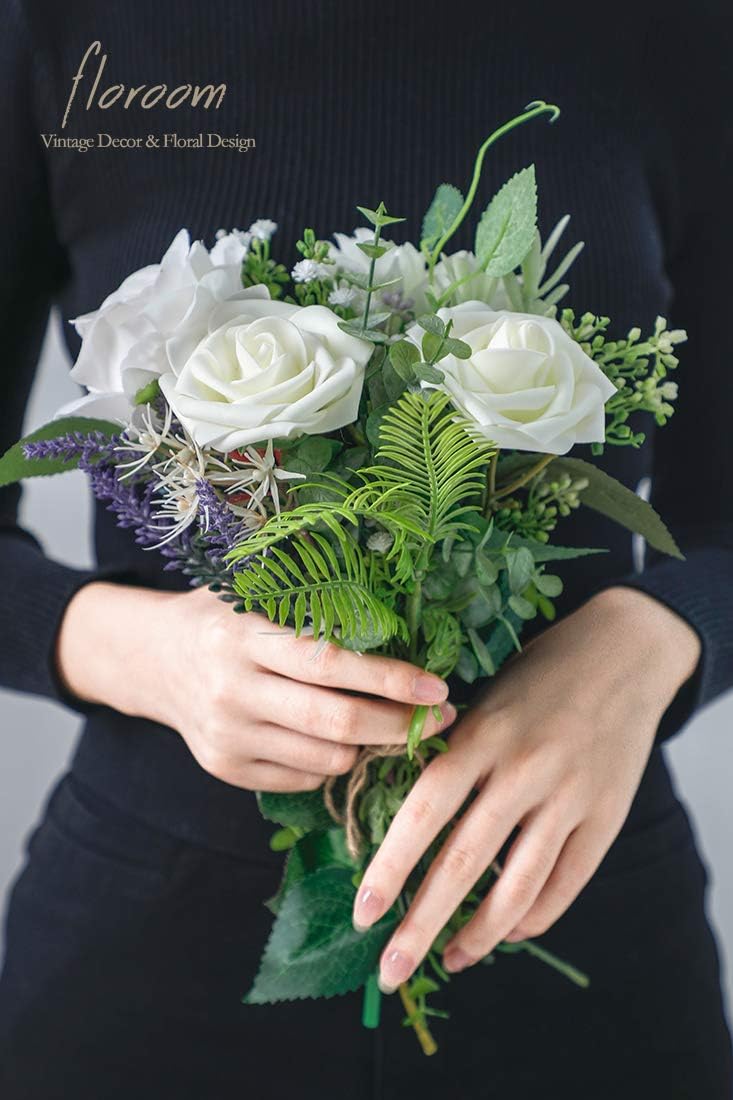
Faux flowers — that’s the shorthand for artificial blooms made from silk, polyester, latex, or preserved real petals — have been quietly taking over the gift aisle for a reason that’s easy to explain: they don’t die. A $15 bundle of silk tulips looks just as good on day 365 as it did on day one, which is a hard argument to beat when you’re buying for a teacher who already has a windowsill full of real plants or a graduate who’s about to move three times in two years. If you’re new to this category, “preserved” flowers are real blooms that have been treated with glycerin or similar solutions so they hold their shape and color for months — they sit somewhere between fresh and fully artificial. “Real-touch” usually means a latex or PU (polyurethane) coating that mimics the slight give and texture of an actual petal. Both terms matter for gifting because they affect whether a recipient can tell the difference at arm’s length.
This article is built around a pattern that emerged from aggregated buyer reviews across multiple faux floral product lines: people are using artificial flowers for gifts in ways that are genuinely clever, budget-conscious, and — in a few cases — almost indistinguishable from fresh. We’ll break down the five most useful applications, give you the realism markers and watch-outs for each, and close with a decision framework and FAQ built from real buyer questions.
The Five Gift Uses That Actually Work
1. Money Bouquets for Graduation and Milestone Gifts
This is probably the most creative repurposing pattern across buyer reviews, and it works on a simple mechanical principle: foam or fabric rose heads have a petal structure that curls naturally around a folded bill, hiding the edges and keeping the “bloom” shape intact. Reviewers building money bouquets specifically call out petal curvature, stem rigidity (so the bills don’t droop), and color density as the variables that make or break the illusion.
What to look for in product listings: Roses with layered, tightly packed petals — the kind where you can’t see the foam core from the front — hold bills better than open, wide-cupped styles. Stems with a wire core (almost universally true of mid-range and up) let you fan the bouquet and position individual heads the way a florist would. Buyers who’ve built these gifts consistently recommend assembling the bouquet a few hours before gifting and keeping it upright in a vase during any party so the shape holds.
The watch-out: PU (polyurethane) foam roses — a category that includes many budget options at the $8–$15 range — occasionally arrive with a chemical off-gassing smell that reviewers describe as “plasticky” or “like a new shower curtain.” As Good Housekeeping’s artificial flower coverage notes, this is a known characteristic of certain PU products, not a defect you can return for. If you’re building a money bouquet to hand directly to a graduate, order two weeks early and leave the roses loose in a ventilated room for 48–72 hours before assembly. Silk and polyester options tend not to have this issue.
2. Teacher Gifts: The Repeatable Bundle Strategy
One of the most consistent buyer narratives in tulip and mixed-stem categories is the teacher gift pattern: a buyer discovers that a $12–$18 bundle of silk tulips or ranunculus, wrapped in kraft paper and tied with twine, reads almost identically to a fresh grocery-store bouquet at delivery — and they end up buying the same product every semester for multiple teachers. The key word there is repeatable. Fresh bouquets require remembering to shop, timing the purchase so stems aren’t wilted, and accepting that some teachers won’t have a vase handy. A silk bundle skips all three problems.
Realism markers that matter here: Buyers specifically praise stems where the leaf veining is printed (not just embossed), where the flower head has some translucency when held up to light, and where stem wrapping — the tissue or thread that covers the wire from base to bloom — is tight and even rather than bunching at the joints. Apartment Therapy’s coverage of faux floral realism consistently surfaces leaf texture as the giveaway point; a realistic leaf buys more credibility than an almost-perfect petal.
The presentation move: Reviewers who’ve refined this gift describe trimming stems to uneven lengths (just like fresh-cut flowers), wrapping the bundle in florist paper with the ends gathered and taped, and misting the outsides of the wrapping lightly so it looks like the bundle came straight from a cooler. The Spruce’s guides on faux floral staging note that contextual presentation — the paper, the slight asymmetry — carries as much weight as the product itself.
3. Mixing Faux Stems Into Live Florist Arrangements
This is the most technically interesting use case in the review data, and it’s genuinely useful for event work: a buyer needed a specific purple rose that her florist didn’t carry. She purchased faux stems in that color, handed them to the florist alongside fresh stems, and the florist integrated them into the finished arrangement. Recipients complimented the arrangement specifically on the purple blooms.
Why this works: A florist arrangement has a built-in credibility buffer. Guests aren’t scrutinizing individual stems — they’re reading the overall composition. Faux stems in a mixed arrangement are surrounded by fresh scent, real leaf movement, and water-wet stems, which provides sensory camouflage. The visual work is all on the faux stem’s petal coating and color accuracy, not its tactile feel.
Decision frame: This approach works best when (a) you need a color or variety your florist can’t source reliably, (b) you’re working on a budget where one or two faux stems reduce cost without compromising the overall look, or (c) you need the arrangement to last longer than fresh flowers would — say, for a multi-day event. Brides coverage of faux-fresh hybrid arrangements confirms this is a recognized technique among wedding stylists, not just a budget workaround. The practical limit is scent: real-touch latex and silk stems have no fragrance, and if the arrangement is in a small, enclosed space where guests will be up close, the silence of the faux stems can register subconsciously.
4. Blending Artificial Stems Into Living Plants
A variant of the hybrid arrangement: buyers whose living plants have gone through a dormant or die-back phase — particularly potted hydrangeas, orchids, and tropical varieties — describe adding faux stems directly into the soil or pot to fill visual gaps while the plant recovers. This is practical staging, not deception, and it’s a useful technique for anyone gifting a live plant that’s in between bloom cycles.
The constraint: This works best with stems that match the pot plant’s foliage palette. Baby’s breath, filler greens, and small accent blooms are easier to integrate than large show roses, which read as obviously placed. If you’re gifting a pot-and-stem combination, opt for stems in the same color family as the plant’s natural bloom and bury the wire base an inch or two into the soil so the stem sits at the same height and angle as the surrounding growth.
5. Preserved Rose Boxes as Keepsake Gifts
Preserved roses — real roses treated to last without water or refrigeration, typically displayed in rigid boxes with a magnetic lid — are the highest-stakes faux floral gift category, and the buyer review pattern is clear: when they land, they land hard. Reviewers consistently describe recipients photographing the box before they’ve even opened it fully, and multiple buyers describe re-gifting the box to a second recipient after receiving one themselves.
By the numbers — preserved rose box gifting:
- Typical shelf life without care: 12–36 months under normal indoor conditions, per manufacturer guidance across major brands
- Most common complaint in reviews: color variance between product photo and received box (approximately 1 in 4 negative reviews mentions this)
- Assembly required: rarely — most boxes arrive closed and gift-ready, though some buyers report petals shifted in transit and needing light repositioning
The honest trade-off: Preserved rose boxes photograph beautifully and store without any maintenance, which makes them genuinely compelling for long-distance gifting. The color accuracy issue is real, though. Deep reds photograph as merlot-burgundy in some lighting conditions and arrive looking closer to brick; lavenders vary widely between batches. If color precision matters — say, you’re matching a brand palette for a corporate gift — order a sample box or check seller-provided batch photos before committing to a large order. The Spruce’s faux floral coverage notes that preserved products are particularly susceptible to dye-lot variation across manufacturers, which is a known production characteristic, not a quality control failure.
Frequently Asked Questions
Can I give artificial tulips as a teacher gift without it looking cheap? Yes, with presentation doing the heavy lifting. Buyers who’ve done this repeatedly report that kraft paper wrapping, uneven stem lengths, and a handwritten card are enough to read as a considered, fresh-style bouquet. The product’s realism markers — especially leaf veining and stem wrapping quality — matter more than price. A $14 bundle with good leaf detail will outperform a $22 bundle with flat, plasticky leaves every time.
How do I build a money bouquet with faux roses? Start with roses that have layered, cupped petals and a wire-core stem. Fold bills lengthwise into thirds, then accordion-fold them so they fan out slightly. Slide the folded bill into the center of an open rose head so the fan points up and the bill’s top edge peeks above the petals. Secure with a small rubber band or twist of floral wire below the head. Assemble all stems first, then arrange into a bouquet and bind with ribbon or floral tape at the base. Keep upright until presentation.
Can faux stems be mixed with real flowers in a florist arrangement? Yes. Per Brides coverage of hybrid arrangements, this is an established technique among wedding stylists. Inform your florist in advance so they can account for the faux stems’ rigidity when building the arrangement. Stick to stems with accurate petal coating and color — avoid overly glossy finishes that photograph differently than fresh petals under venue lighting.
Do preserved rose boxes arrive gift-ready or do they need assembly? Most arrive closed and presentation-ready. A small percentage of buyers in aggregated reviews note petals shifted during shipping, requiring light repositioning — think two minutes, no tools. It’s worth inspecting before presenting, especially if the box was shipped a long distance. If you’re ordering for an event, add a buffer day to check condition.
Which faux flowers are best for a graduation gift? It depends on your framing. For a money bouquet, foam or fabric roses with layered petals are the functional choice — the petal structure holds bills. For a keepsake, preserved rose boxes read as premium and require no upkeep, which suits someone about to move into a dorm or first apartment. For a budget-friendly but lasting arrangement, a silk mixed bouquet in the graduate’s school colors, arranged in a simple vase, gives them something to display without the pressure of keeping live flowers alive during a chaotic transition period.