September 27, 2026 • Celeste Morrow • 10 min reading time • Prices verified June 6, 2026
Faux Flowers for Seasonal Swap Decorating: A Budget and Storage Playbook
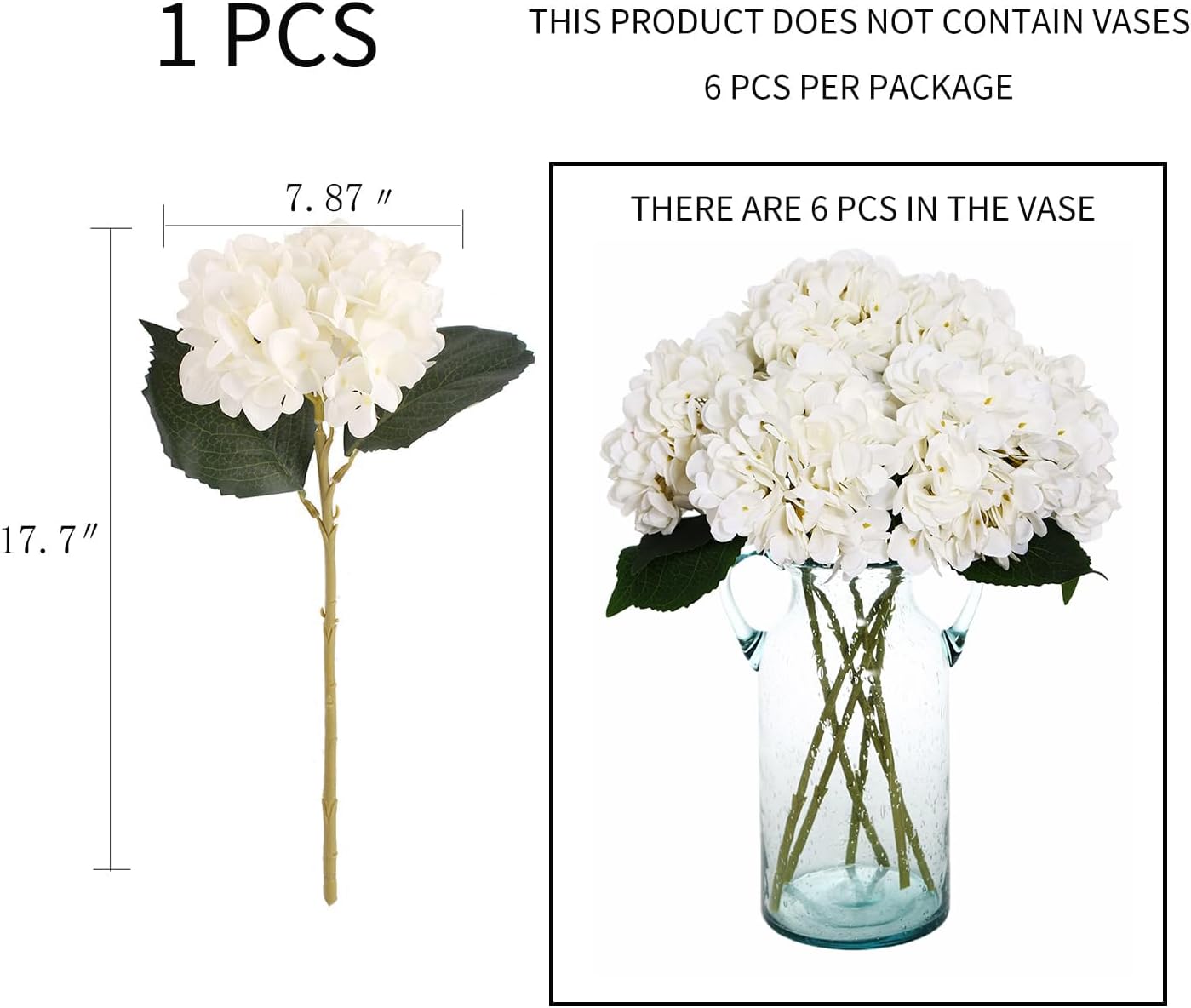
If you’ve ever bought a bunch of silk sunflowers for summer and then quietly stashed them in a closet come November, you’ve already started a seasonal swap system — you just might not have named it yet. Seasonal swapping means rotating your faux botanicals (artificial flowers and foliage made from silk, polyurethane, or PE plastic rather than real plants) in and out of display based on the time of year, exactly the way you’d swap throw pillow covers or a wreath on the front door. Done with intention, it’s one of the most cost-efficient decorating strategies available: you invest once in stems that hold their shape and color, then cycle them through a twelve-month rotation instead of buying fresh flowers repeatedly. This guide is the playbook — covering which materials store well, which colors work across multiple seasons, the math on how many sets you actually need, and how to pack everything down without arriving next October to a bin full of crushed petals.
| EDITOR'S PICKArtflower 4Pcs Real Touch Hydra… | Mid-tierKimura's Cabin 6pcs White Hydra… | Budget pickAlupssuc 24 Bundles Artificial… | |
|---|---|---|---|
| Count | 4 pcs | 6 pcs | 24 bundles |
| Flower type | Hydrangea | Hydrangea | Daisy |
| Material | Latex | Silk | Silk/plastic |
| Stems included | — | ✓ | — |
| UV resistant | — | — | ✓ |
| Height | 22.5 in | — | — |
| Price | $27.99 | $18.99 | $15.29 |
| See on Amazon → | See on Amazon → | See on Amazon → |
Why Seasonal Swapping Is a Smarter Investment Than It Looks
The instinct when building a faux flower collection is to think of each purchase as a one-time decoration. Reviewers across aggregated product feedback consistently reframe that — one outdoor daisy bundle buyer’s note, surfaced repeatedly in review patterns, says outright: “I can put them away in the winter for the next year,” and explicitly frames the storage behavior as a money-saving strategy. A lavender bundle buyer describes pulling outdoor arrangements inside after fall and continuing to use them through winter as indoor styling, effectively stretching a single purchase across six months of display time.
That’s the core math of seasonal swapping, and it changes how you should evaluate price per stem.
By the numbers — cost-per-display-month comparison:
| Purchase type | Unit cost | Months in rotation | Cost per display-month |
|---|---|---|---|
| Mid-grade silk stem bundle | $15 | 3 (one season) | $5.00 |
| Mid-grade silk stem bundle, rotated 2 seasons | $15 | 6 | $2.50 |
| Preserved floral arrangement (specialty tier) | $280 | 18–24 | $12–15 |
| Fresh-cut bouquet, replaced monthly | $30/mo | 1 | $30.00 |
The rotation math alone justifies spending more on stems with higher realism — if a $40 real-touch hydrangea stem from Artflower works for spring and fall and stores cleanly for two years, its cost-per-display-month undercuts a $12 silk stem you only feel comfortable displaying for six weeks.
House Beautiful’s styling editorial on faux botanicals notes that the key to making artificial arrangements feel intentional rather than permanent is exactly this willingness to rotate — treating faux flowers with the same seasonal mindset you’d apply to a real garden.
Which Materials Actually Hold Up in Storage
Not all faux flower materials behave the same in a bin. Here’s the practitioner-level breakdown:
Silk and polysilk stems are the most storage-forgiving in terms of weight and bulk, but they’re the most susceptible to compression damage. The petals on silk flowers are heat-set into shape during manufacturing — crush them under a heavy lid and that set deforms. Reviewers consistently note that silk peonies and ranunculus in particular arrive from storage looking flattened. The fix is almost always steam (a garment steamer held 6–8 inches away) or gentle finger-reshaping, but this adds a re-fluffing step every season. Plan for it. Good Housekeeping’s artificial flower roundup specifically calls out re-shaping as a standard maintenance step for silk stems after storage or shipping.
PE (polyethylene) stems — the type used in higher-grade outdoor-rated branches and foliage — are more structurally rigid and typically hold their form better under mild compression. The leaf veining and stem articulation on PE botanicals is cast rather than fabric-folded, which means a bent leaf can sometimes be warmed gently and repositioned, but it’s less forgiving of heavy stacking than silk.
Real-touch PU (polyurethane) stems — the material behind products like Artflower’s hydrangea line and many high-end single stems — are the most dimensionally stable in storage. The coating is semi-rigid and holds petal shape without heat-setting. Owners of real-touch stems consistently report that these come out of storage looking closest to how they went in, with minimal re-fluffing required. The trade-off: PU stems are often heavier and bulkier, so you’re storing more mass per stem.
Preserved florals (real botanicals treated with glycerin or stabilizing compounds, used in Venus Et Fleur and Primrose London arrangements) are the exception to every storage rule. They are not designed for casual bin storage. Preserved arrangements need climate-controlled, low-humidity environments away from direct light — the glycerin treatment that keeps them supple is destabilized by heat and moisture. The Spruce’s home organization guidance flags preserved botanicals specifically as requiring dedicated storage conditions, not general-purpose plastic bins.
The Color Strategy: Building a Cross-Season Palette
The smartest rotators build their collection around a neutral backbone that stays out year-round, then add seasonal accent stems that swap in and out. Reviewers of beige mum stems and kiku (chrysanthemum-style) bundles specifically describe these as working “across farmhouse, rustic, and modern decor” — which is the review language for cross-season utility. A warm neutral cream or antique white stem reads as fresh in February and autumnal in October; it never looks obviously out of season.
The four-color framework that professional stylists describe most often:
- Permanent neutrals — cream, antique white, soft blush, warm beige. These stay in arrangements year-round as structural volume fillers.
- Spring/summer accents — true white, lavender, sky blue, coral, clear yellow. Rotate in roughly March through August.
- Fall accents — burnt orange, burgundy, rust, deep gold, olive. One sunflower grave-bouquet buyer’s review notes deliberately waiting until late September to make this swap — the timing is intuitive.
- Winter/holiday accents — deep burgundy, forest green, cream again, champagne. Often overlaps with preserved or dried-look stems.
Artflower’s real-touch hydrangea line is frequently cited in aggregated buyer reviews as a collector-and-rotator item specifically because of its color breadth — buyers describe purchasing multiple colorways of the same stem form to cycle through seasons without changing the arrangement’s structural logic. That’s the right instinct: consistent stem type, rotating colorway. It reduces re-arranging time and keeps your vases looking intentional rather than improvised.
Apartment Therapy’s faux floral feature identifies this “consistent form, rotating color” approach as the distinguishing habit of decorators whose artificial arrangements read as designed rather than default.
Storage That Actually Works: The Practical System
The most-cited storage failure across buyer reviews is the same every time: stems stored upright in a vase get knocked over; stems stored loose in a bin get tangled and crushed; preserved arrangements get stored in a garage and arrive damaged. Here’s the system that avoids all three.
For silk and polysilk stems:
- Store upright when possible. Tall plastic bins with lids (the kind sold for holiday ornaments) work well — stems stand on end with petals at the top, lid closes without compression. One outdoor flower buyer’s review explicitly describes this: plastic bin storage through winter, retrieved intact the following spring.
- If you must store horizontally, wrap each stem loosely in tissue paper before laying flat. Never pack tightly enough that petals bear weight.
- Label bins by season, not by flower type. You want to pull one bin, not hunt across three.
For real-touch PU stems:
- These can handle a bit more compression, but avoid sharp bends at the stem — PU wire cores can kink and won’t fully straighten. Store in a single layer if possible, or in a wide shallow bin.
For PE foliage and branches:
- Most PE branches are flexible enough to coil loosely. A large zip-top storage bag or a wide bin with no stacking works well.
For preserved arrangements:
- These need their own category. A cool, dry interior closet is minimum. A box lined with acid-free tissue, away from exterior walls (which collect humidity), is better. Never a garage, basement, or attic.
Re-fluffing at the start of each season is a built-in step for silk and polysilk. Budget 10–15 minutes per arrangement. A garment steamer on low, held at distance, loosens compressed petals. Finger-shaping restores petal curl. This is normal maintenance, not a product failure.
How Many Seasonal Sets Do You Actually Need?
The honest answer depends on how many distinct display locations you’re maintaining. The practitioner version of this question is: how many vase positions are you rotating, and how many of those need a full swap versus an accent swap?
A working framework from decorators who describe their systems in aggregated reviews:
- 2 sets minimum — one warm-season (spring/summer), one cool-season (fall/winter). This covers the major visual shift and requires two complete swaps per year.
- 3 sets for most homes — add a dedicated holiday/winter accent set (burgundy, deep green, cream) that sits on top of your cool-season neutrals December through January without requiring a full re-arrangement.
- 4 sets for high-rotation spaces — event designers and stylists who maintain residential installs or rotate through boutique hospitality accounts describe four sets: spring, summer, fall, winter/holiday, with accent-only swaps between full-season swaps.
The key insight from the math: it’s almost always cheaper to invest in two complete sets of mid-grade stems ($30–$60 per set) than to buy fresh flowers even four times a year — and significantly cheaper than replacing low-quality faux stems annually because they’ve faded or deformed from poor storage.
Good Housekeeping’s artificial flower roundup consistently reinforces that colorfast durability is the single feature most correlated with long-term cost savings — a stem that holds color through two years of rotation and storage outperforms a cheaper stem that fades in one season every time.
Frequently Asked Questions
How do I store faux flowers between seasons without crushing or tangling them? Store silk and polysilk stems upright in tall lidded bins when possible — this prevents petal compression. For horizontal storage, wrap each stem loosely in tissue paper. Avoid overpacking. Label bins by season for fast retrieval.
Which faux flower types and colors work year-round so I don’t have to swap everything? Warm neutrals — cream, antique white, soft blush, warm beige — are the strongest cross-season performers. Beige mum and kiku stems in particular are described by buyers as working across farmhouse, rustic, and modern palettes in every season. Keep these in arrangements year-round and swap only accent colors.
Do silk and PU faux flowers hold their fluffed shape in storage or do they need re-fluffing each season? PU real-touch stems hold shape significantly better than silk in storage. Silk and polysilk stems almost always need re-fluffing after storage — budget 10–15 minutes per arrangement with a garment steamer. This is normal and expected, not a quality failure.
Is it worth buying multiple color sets of the same stem type for seasonal rotation? Yes, and the math strongly supports it. Consistent stem form with rotating colorways (the approach Artflower hydrangea buyers describe) means faster re-arranging, lower per-use cost, and a more designed look than mixing random stems. Buy the same stem in three colorways rather than three different stem types.
How many seasonal sets do I realistically need to keep my home looking fresh all year? Two sets cover the basic warm/cool split. Three sets add a dedicated holiday layer without a full re-arrangement. Four sets are for high-rotation installs or designers maintaining multiple spaces. Start with two complete sets, evaluate after a full year of rotation, then add a third set where the gaps feel most visible.
The decision rule: If you’re maintaining two or more display locations and buying any fresh flowers at all right now, a two-set faux rotation almost certainly pays for itself within twelve months. If you’re sourcing for multiple rooms or client installs, move to a four-set system and invest the majority of your budget in real-touch PU or preserved stems for primary focal points — their storage stability and realism longevity justify the premium over silk in every rotation scenario where stems stay in active service longer than one season.