September 20, 2026 • Celeste Morrow • 10 min reading time • Prices verified June 6, 2026
Faux Foam and Silk Roses: Which Budget Tier Is Actually Worth Buying
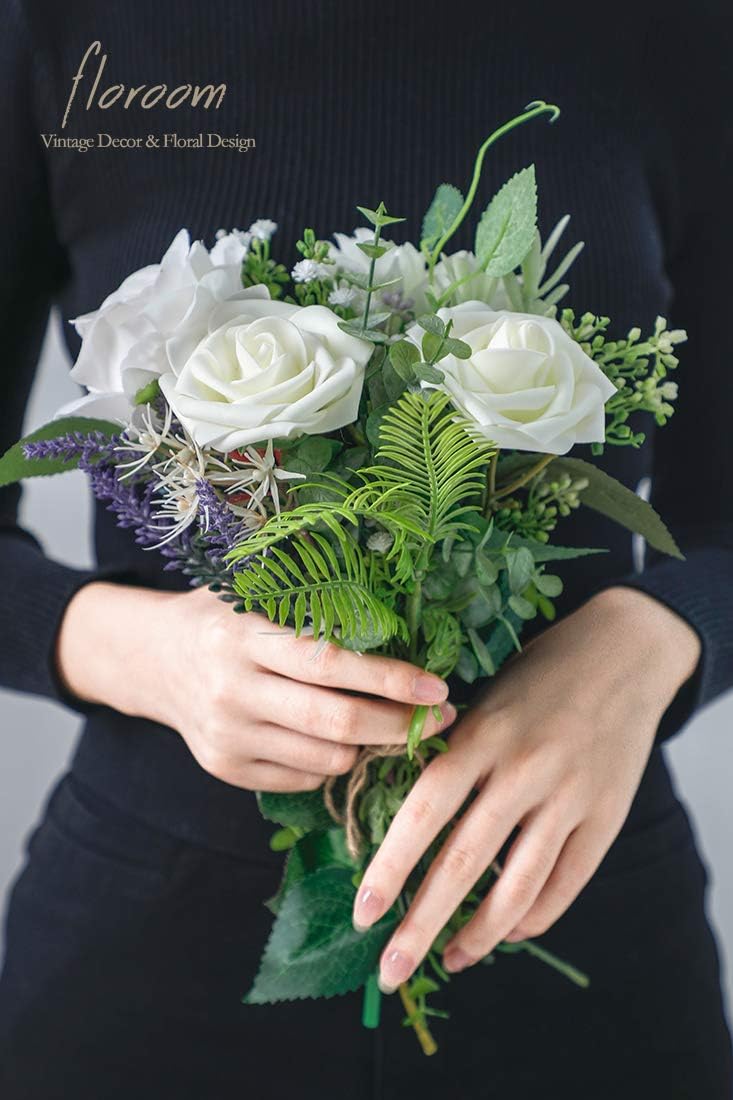
If you’ve ever searched “faux roses” and come back more confused than when you started, you’re not alone. The category spans everything from 50-packs of velvet-finish buds for under $20 to individual silk stems with hand-wrapped petals that pass close inspection in a wedding photo. The three material types you’ll encounter most — foam roses (made from a soft, lightweight EVA foam that holds a pre-shaped petal curl), silk roses (woven fabric petals on a wire-wrapped stem, the classic faux floral format), and velvet-finish roses (a fabric variant with a pile surface that mimics the tactile softness of a real petal) — each have a specific job they’re genuinely great at. The mistake most buyers make, at every price point, is buying for aesthetics in the product photo rather than for the actual use case. This guide maps the tiers to the jobs they’re built for, names the tradeoffs honestly, and gives you a clear decision rule for wherever your current project sits.
| EDITOR'S PICKYJ Fake Flowers with Vase | Mid-tierTifuly 12pcs Red Roses Artifici… | Budget pickFloroom Artificial Flowers 25pc… | |
|---|---|---|---|
| Material | Silk | Silk | Foam |
| Stem count | — | 12 | 25 |
| With vase | ✓ | — | — |
| Stems | — | Long stem | With stems |
| Color | White | Burgundy | Ivory |
| Arrangement | Vase-ready | Bouquet | DIY |
| Price | $26.99 | $17.99 | $12.99 |
| See on Amazon → | See on Amazon → | See on Amazon → |
Foam Roses: The Craft-First Pick That Also Looks Surprisingly Good
Foam roses occupy a specific and underappreciated niche. Reviewers across the category — including those documented in aggregated public feedback analyzed by The Spruce in their artificial flower roundups — are not buying foam roses because they want the most realistic rose in the room. They’re buying them because the pre-formed petal shape holds without any styling effort, the white shades are genuinely bright and even (notoriously hard to achieve in silk at budget prices), and the lightweight construction makes them ideal for keepsake and craft applications: money bouquets, baptism mementos, shadow boxes, and corsage-style arrangements where a glue gun is involved.
The Floroom foam rose line is the most frequently referenced in this segment. Reviewers consistently praise the petal definition straight out of the box and the range of whites and pastels that photograph cleanly. What they flag as a limitation — and it’s worth taking seriously if craft is your use case — is stem thinness. In a vase, a thin stem is a non-issue; the vessel does the structural work. In a money bouquet, where individual stems are bent, twisted, and secured with elastic or ribbon around folded bills, a thin wire core can kink or collapse under repeated manipulation. If you’re building keepsake arrangements that involve significant stem-bending, this is the tradeoff you’re accepting at this tier.
Leaf attachment on foam roses is a separate and frequently misread issue. The leaves on most foam rose stems are intentionally loose — attached at a single point so they can be repositioned or removed entirely for styling. Reviewers who describe this as a defect are usually first-time buyers; experienced crafters recognize it as flexibility. For a baptism memento where you want a single clean bloom on a bare stem with a ribbon, you’d remove the leaves anyway.
The foam rose verdict: Best for craft and keepsake projects. Buy them if petal shape out-of-the-box and bright color matter more than stem strength.
Long-Stem Silk Roses: The Workhorse Tier With a Surprising Pro Use Case
Long-stem silk roses in the $15–$40 range for a 12-pack are the most versatile faux rose format, and the buyer behavior documented across thousands of public reviews tells a more interesting story than “vase filler.” Tifuly, Der Rose, and comparable 12-piece sets in terracotta, rust orange, champagne, navy, and light pink are consistently reported being used in two ways: as standalone vase arrangements, and — this is the one that surprises people — mixed directly into live professional wedding bouquets to achieve colors that florists couldn’t source fresh.
Apartment Therapy’s roundup of the best faux florals notes that realistic silk stems have reached a quality level where, when mixed with fresh greenery and handled properly, they can be indistinguishable from fresh flowers in photographs and at arm’s length. Reviewers in the Tifuly and Der Rose comment sections bear this out with specific anecdotes: one buyer reported that her guests — and her photographer — assumed her terracotta roses were fresh until she told them otherwise. Another documented using champagne-colored silk stems to fill in a bridal bouquet because no local wholesaler could supply that exact tone in season.
Why does this work? Two reasons. First, unusual colors (terracotta, rust, dusty navy, champagne) don’t have a strong visual reference point the way red or white roses do — guests aren’t holding a mental image of what a “fresh terracotta rose” looks like, so the silk version doesn’t trigger the “that’s fake” alarm. Second, good long-stem silk roses at this tier have hand-wrapped wire stems and multi-layer petals with slight color variation baked in, which means they read as dimensional rather than flat.
Stem thinness is a minor recurring complaint here too, but it matters differently. For vase use, it’s irrelevant — most long-stem silk roses look proportionally right in a standard bud vase or a gathered arrangement in a medium-sized vessel. For bouquet mixing, a thin stem is actually an advantage: it doesn’t add bulk where you’re already working with fresh stem thickness.
By the numbers — vase arrangement math:
| Arrangement size | Estimated stems needed |
|---|---|
| Bud vase (4–6” opening) | 3–5 |
| Mid-size vase (6–8” opening) | 7–12 |
| Large floor arrangement (10”+ opening) | 18–24 |
| Full bridal bouquet centerpiece | 12–18 mixed with greenery |
Based on standard 18–24” stem length; tighter arrangements need fewer stems.
The long-stem silk verdict: The most versatile buy in the category. If you’re mixing into live bouquets for unusual colors, this is not a compromise — it’s a legitimate sourcing solution.
Velvet-Finish Bulk Roses: The Volume Play With a Learning Curve
The Sggvecsy 50-count velvet-finish rose bulk packs sit in a different category by intent: you’re buying for volume coverage, not per-stem scrutiny. These are the roses that go on arches, backdrop installations, table scatter, and centerpiece bulk fills where individual realism is less important than overall visual density.
Velvet-finish roses have a pile surface that catches light differently than smooth silk and can read warmer and more organic at a distance. The tradeoff is that they arrive compressed from shipping, and out of the box they often look flat, tight, and unconvincing.
Here’s where the most-cited buyer technique becomes relevant: the blow dryer method. One repeat buyer, documented in public review aggregates analyzed across the product’s review history, describes this process as a dramatic improvement in realism. The technique: hold the rose 6–8 inches from a blow dryer on a medium-hot setting (not maximum heat), and gently rotate the bloom while directing warm air into the petal center. The heat relaxes the synthetic fibers, and the petals open and spread into a fuller, more natural shape. She describes the before/after as the difference between a bud and an open garden rose.
Is it safe for the material? Velvet-finish fabric roses are typically made from polyester pile over a foam or fabric core. Polyester begins to distort at sustained temperatures above approximately 250–300°F (per general textile handling guidelines referenced in Good Housekeeping’s artificial flower care notes). A standard blow dryer on medium setting delivers air at roughly 140–175°F at 6–8 inches — well within safe range. Maximum heat held too close for too long is where you’d see scorching or melting. The technique works; the risk is operator error at high heat proximity, not the method itself.
For event designers doing large-volume arch or backdrop installs, the blow dryer step adds time — budget roughly 2–3 minutes per bloom if you want fully opened petals. At 50 stems, that’s an additional 2–3 hours of prep. Factor that into your installation timeline.
The velvet bulk verdict: The right buy for high-volume coverage applications. Plan for the prep step and you get genuinely better-looking results than you’d expect at this price point.
Frequently Asked Questions
What is the difference between foam roses and silk roses in terms of appearance and how they hold up?
Foam roses have a pre-shaped, slightly waxy petal surface that holds its form permanently without any styling. Silk roses have a softer, more matte petal texture and typically have more layering and color gradation, which contributes to realism at closer inspection. For longevity: both are essentially permanent as long as they’re kept out of direct UV light and humidity. Foam can develop surface tackiness over many years; silk can fade if sun-exposed. For most indoor applications, both will outlast any live arrangement by years.
Can faux roses in unusual colors like terracotta or champagne actually pass for real in a wedding bouquet?
Yes — and this is one of the better-documented use cases in public buyer reviews. The key is that unusual colors don’t have a strong fresh-flower visual reference for most guests. Mixed with real greenery and fresh stems in a bouquet, terracotta, rust, champagne, and dusty navy silk roses consistently receive compliments from guests who assumed they were fresh. As Brides.com’s guidance on faux flowers in weddings notes, the integration technique (mixing rather than isolating the silk stems) is what makes this work.
Why do the leaves fall off some artificial roses, and is that a defect?
Usually not. On foam roses especially, leaves are attached at a single point by design, allowing them to be repositioned or removed for styling flexibility. If you’re building an arrangement where clean bare stems are the aesthetic, the loose attachment is a feature. If you’re inserting stems into a dense foam base or floral foam (the green foam block used for arranging), loose leaves can shift — wrap the attachment point with floral tape if stability matters.
Does the blow dryer technique for puffing velvet faux roses actually work, and is it safe for the material?
It works. Reviewers who’ve used it consistently describe a meaningful improvement in how open and natural the blooms look. It’s safe on medium heat settings held at a distance of 6–8 inches. The risk — scorching or melting — only occurs with prolonged exposure to maximum heat at close range. Use medium heat, keep moving, and check the bloom’s response as you go.
How many long-stem silk rose stems do I need for a full vase arrangement?
A standard bud vase needs 3–5 stems. A mid-size vase with a 6–8-inch opening looks full at 7–12 stems. A large floor arrangement or statement piece needs 18–24 stems, particularly if you’re not adding filler greenery. Most 12-packs are sized right for one mid-size arrangement with a few stems left over — order two 12-packs if you’re designing a full centerpiece.
Are foam rose stems strong enough to use in a money bouquet without bending or collapsing?
This is the most common foam rose complaint and it’s legitimate. The wire cores in budget foam rose stems are thin and can kink under the lateral pressure of wrapping bills around them. If you’re building a money bouquet — where stems are bent outward in a fan configuration and secured tightly — test one stem before committing your full arrangement. Reinforce the wire core with a heavier-gauge floral wire wrapped alongside it if you need structural integrity. It adds a step, but it’s a reliable fix.
The Decision Rule
If your project involves crafts, keepsakes, or money bouquets: foam roses (Floroom and similar) are the right buy. Accept the stem limitation and reinforce if needed.
If you need unusual colors for a live wedding bouquet or vase décor: long-stem silk roses (Tifuly, Der Rose, 12-piece sets in specialty colors) are the right buy. They’re the most versatile tier and the one with the most defensible professional application.
If you’re covering volume — arches, backdrops, bulk table scatter: velvet-finish bulk packs (Sggvecsy 50-count and equivalents) are the right buy. Build the blow dryer prep step into your installation timeline and the results justify the format.
The wrong move at every tier is buying for the product photo. Buy for the job.