September 20, 2026 • Celeste Morrow • 10 min reading time • Prices verified June 6, 2026
Mixing Faux Stem Types in One Arrangement: What Buyers Learned Combining Roses, Eucalyptus, Tulips, and Fillers
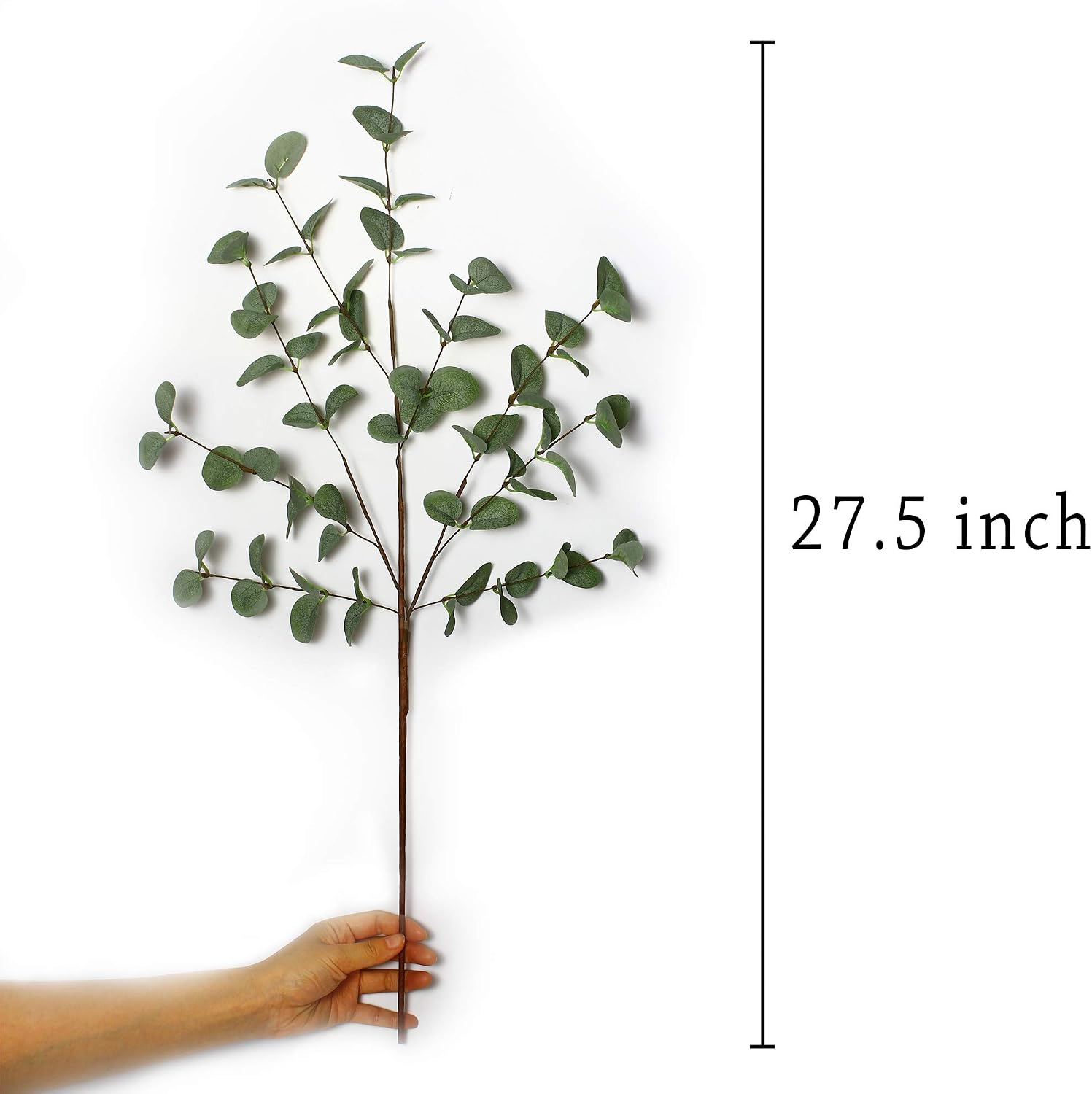
If you’ve ever bought one bundle of artificial flowers — the kind made from silk or latex-coated plastic rather than real petals — and thought, this is nice, but something’s missing, you’re not alone. The missing ingredient is almost always a second stem type. Real flower arrangements read as complex and alive because they layer “hero” blooms (the large, eye-catching flowers like roses or tulips) against greenery (stems with leaves, like eucalyptus) and fillers (small, airy flowers like baby’s breath that occupy negative space). Artificial arrangements work exactly the same way, but buyers new to mixing faux stems often aren’t sure which materials play nicely together, how many of each stem type to buy, or whether combining a silk rose with a latex-coated eucalyptus will look obviously mismatched. This guide pulls from aggregated buyer reviews and published design guidance to answer those questions directly — with the ratios, material notes, and decision rules you need before you place a second or third order.
Why Buyers Keep Coming Back for a Second Stem Type
The purchase pattern is consistent enough to be its own design lesson. Across aggregated reviews on multi-stem faux floral products, the tulip buyer orders a second colorway. The baby’s breath buyer credits the filler as what “made it come all together.” And eucalyptus — which we’ll return to repeatedly throughout this piece — shows up as a companion purchase across more product categories than almost any other stem type.
The Floral Design Institute’s published curriculum on principles of floral design describes this in structural terms: a balanced arrangement needs line material (tall, directional stems that define height), mass material (the hero blooms that carry visual weight), and filler material (small-textured stems that unify and soften). Buyers are essentially reverse-engineering this framework through trial and error — and the reviews show them arriving at the same conclusions professional designers have held for decades.
What makes the faux version more complicated is that you’re also managing material compatibility: whether the visual textures of different manufacturing processes — silk weave, PE (polyethylene, a rigid molded plastic), PU or “real-touch” latex coating, and dried or preserved botanicals — read as coherent next to each other in the same vase.
The short answer from experienced buyers is: they can. But the sequencing matters.
Eucalyptus First: Why Greenery Is the Foundation, Not an Afterthought
The single most cross-referenced stem type in buyer reviews is eucalyptus, and the consistent message is that it works as a base before blooms go in — not as an accent after the fact.
One frequently cited buying experience worth flagging: a eucalyptus reviewer noted that the product arrived vacuum-sealed and so flat it was nearly sent back, the buyer assuming there had been a packing error. The stems needed to be manually fanned and shaped before they read as an arrangement element at all. This is a meaningful expectation-setter. Vacuum-sealed faux eucalyptus is common at the quality tier where stems have individual leaf articulation and won’t arrive crushed — but you need to factor in 10–15 minutes of reshaping time before you judge what you’ve received.
As a design move, eucalyptus does several things simultaneously that other greens don’t: it reads as both a line material (when stems are left long and upright) and a draping filler (when bent and allowed to spill over a vase edge). The Spruce’s guidance on artificial flower arrangement notes that greenery placed before blooms creates what designers call a “mechanics foundation” — a skeleton the hero stems can lean against without looking randomly placed.
Practical rule: If you’re building in a cylindrical or cube vase, place five to seven eucalyptus stems first, fanning them to cover the visible rim of the container from all angles. Then add blooms into the gaps. The eucalyptus holds the roses or tulips upright and prevents them from clustering toward the center.
Material Mixing: Silk Alongside Real-Touch, and When It Works
The concern buyers raise most often about multi-stem arrangements is whether different material finishes will look inconsistent — specifically, whether a PU real-touch latex stem will look jarringly “too real” next to a standard silk stem, or vice versa.
Aggregated buyer testimony and published guidance from House Beautiful’s styling features on faux florals converge on a practical answer: the contrast matters less than the placement distance. A real-touch rose and a silk filler flower placed within two inches of each other in a tight arrangement can create visible texture discontinuity. The same stems in a loose, airy arrangement — where the eye moves across the whole rather than focusing on individual stems — read as intentionally varied.
A few principles to apply:
- Group like materials together within the arrangement rather than alternating them stem by stem. A cluster of three real-touch roses flanked by silk baby’s breath and silk eucalyptus looks designed. Those same stems interleaved one-by-one looks accidental.
- Real-touch latex tends to catch light differently — it has a slight sheen and surface softness that reads as more naturalistic in direct light. Silk has a consistent matte-to-soft-sheen depending on weave. Placing real-touch blooms toward the center and silk greenery toward the edges lets each material perform where it’s strongest.
- Preserved or dried botanicals (like preserved eucalyptus or dried pampas) are a third category: their texture is genuinely different from both silk and latex, and they typically work best as accent pieces rather than primary mix-in stems unless the whole arrangement leans into a dried-botanical aesthetic.
The MISSPIN greenery bundle is a useful case study here. Buyers who reviewed that product specifically noted purchasing it for its stem variety within a single pack — different leaf shapes and stem lengths — and successfully used the variety to fill two different vases without sourcing from multiple suppliers. The implicit lesson: variety within a single material family (all silk greens) reads as cohesive even with shape and color variation, because the material finish stays consistent.
The Baby’s-Breath Effect: What the Right Filler Actually Does
The Sukh baby’s breath product has generated some of the most credible mixing testimony in the faux floral review set — specifically from a buyer with a real-flower background who used it alongside silk hydrangeas. The reported result: the combination read as non-artificial to visitors.
That’s a high bar, and it tells you something about what filler flowers do mechanically. Baby’s breath (and similar small-bloom fillers like wax flower or astrantia) occupies the negative space between larger blooms. In real arrangements, that space is rarely empty — it’s filled with small stems, leaf overlap, or budding secondary blooms. Most faux arrangements look artificial not because the hero flowers are unconvincing, but because the negative space is too clean and regular. A filler stem disrupts that regularity.
By the numbers:
| Arrangement size | Hero blooms | Greenery stems | Filler stems |
|---|---|---|---|
| Bud vase (1–3 stems total) | 1–2 | 1 | 0–1 |
| Small arrangement (6–10 stems) | 3–4 | 2–3 | 2–3 |
| Medium centerpiece (12–18 stems) | 5–7 | 4–5 | 4–6 |
| Large or event centerpiece (20+ stems) | 8–12 | 6–8 | 6–10 |
Brides.com’s artificial wedding flower coverage and Apartment Therapy’s faux floral styling features both describe this loose one-third/one-third/one-third breakdown (hero/greenery/filler) as the starting framework professional stylists use before adjusting for vessel shape and visual weight. For buyers building event centerpieces at volume, this math provides a reliable stem-count formula before you finalize a purchase order.
Long-Term Display: Do Different Materials Fade at Different Rates?
For arrangements that will live in permanent or semi-permanent residential or commercial installs, material-specific fading is a real variable — and one that most product pages understate.
The pattern across long-run buyer reviews and published product guidance is clear: silk fades fastest, PE and molded plastic hold color longest, and real-touch latex occupies a middle position. UV exposure accelerates all three, but silk’s dye-absorption process makes it more vulnerable to photodegradation than molded materials.
In a mixed arrangement displayed in direct or indirect natural light:
- Silk fillers and silk greens may show visible color shift within 12–18 months of daily light exposure.
- PE or molded-plastic blooms can hold color for 3–5 years under the same conditions, per manufacturer-rated specifications from brands in the premium tier.
- Real-touch latex typically falls between those windows, depending on pigment quality and UV-inhibitor treatment.
The practical consequence for mixed arrangements: if your silk eucalyptus fades and your PE roses don’t, the arrangement will look uneven before either element is truly “done.” The mitigation is either sourcing all stems from the same material tier, rotating the arrangement away from direct light, or accepting that silk filler is a consumable you’ll replace every year or two rather than a permanent installation element.
Frequently Asked Questions
How many eucalyptus stems do I need to use as a base before adding blooms?
For a standard cylinder or cube vase in the 6–8 inch height range, five to seven eucalyptus stems placed before any blooms will give you enough coverage to anchor the arrangement visually and hold upright stems without a floral foam insert. Larger vessels — 10 inches or taller — typically need eight to twelve stems to avoid visible gaps once you step back and look at the whole.
Can I mix PU real-touch stems with silk stems in the same arrangement without it looking mismatched?
Yes, with placement discipline. The rule is: group by material rather than alternating stem by stem, and place real-touch blooms centrally (where the eye lands first) with silk greenery and fillers at the periphery. In a loose, garden-style arrangement rather than a tight dome shape, the material difference becomes nearly invisible because the eye reads the overall silhouette rather than individual stem textures.
What is the right ratio of filler flowers to hero blooms in a mixed arrangement?
A reliable starting ratio is roughly 1:1 filler to hero blooms by stem count, with greenery making up a comparable volume. In a 12-stem arrangement, that might be four roses, four eucalyptus stems, and four baby’s breath stems. Adjust toward more filler if the arrangement looks stiff or geometric; adjust toward more hero blooms if it looks indistinct or cloud-like.
Do different faux stem materials fade at different rates if displayed together long-term?
Yes. Silk fades fastest (typically 12–18 months in light-exposed locations), PE and hard-molded plastic hold color longest (3–5 years in comparable conditions, per manufacturer specs), and real-touch latex sits between them. For permanent installs, matching material tiers across your stem types — or accepting that silk fillers are a replacement item rather than a permanent fixture — is the realistic approach.
How do I cut faux stems to different heights without damaging the wire inside?
Most faux stems have a single central wire or a bundled wire core wrapped in paper or plastic. Standard wire cutters or strong floral snips (not scissors, which will splay the wire) make a clean cut. Cut at an angle — the same as you would with real stems — to make reinsertion into a dense arrangement easier. After cutting, pinch the cut end with your fingers and re-wrap any exposed wire with floral tape if it will be visible inside a clear vase.
The Decision Rule
If you’re building or buying into a mixed faux arrangement, the sequence is:
- If you have one stem type and the arrangement looks flat or static, the first addition should be eucalyptus or another greenery stem — not a second bloom color.
- If the hero blooms look unconvincing despite being individually realistic, add a silk filler (baby’s breath, wax flower equivalent) before sourcing different blooms. The filler is usually what the arrangement is missing, not the bloom itself.
- If you’re mixing real-touch and silk in the same vase, cluster by material and let real-touch blooms take the center position.
- If this is a long-term residential or hospitality install, match material tiers across all stem types, or budget for silk-element replacement at the 12–18 month mark.
The buyers who crack this aren’t buying better stems. They’re buying a second or third stem type with more intention — and the arrangement math, once you’ve run it once, becomes a repeatable system.