September 26, 2026 • Celeste Morrow • 10 min reading time • Prices verified June 6, 2026
Silk Roses for Every Budget: A Stem-by-Stem Quality Breakdown From $8 to $25
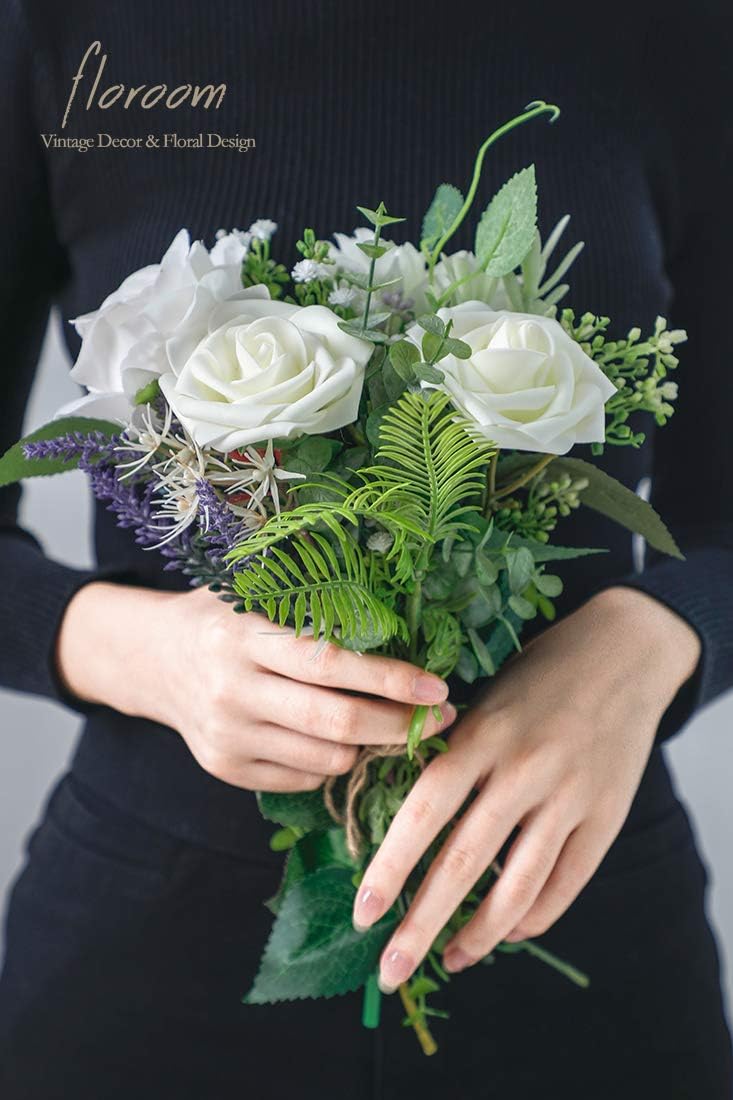
Silk roses are artificial flowers made to look — and sometimes feel — like real roses. The petals are typically constructed from one of three materials: polyester fabric (marketed as “silk”), foam, or a soft latex coating called “real-touch.” If you’ve ever bought a cheap bunch that looked convincing in the product photo and plasticky in your hands, you already understand why material matters. This guide is for anyone trying to make a smarter call the second time around — whether you’re filling a dorm vase, building a wedding arch, or speccing out a hotel lobby arrangement. We’ll walk through the $8–$25 price band stem by stem, explain exactly what you get at each tier, and flag the surprises that catch buyers off guard most often (yes, “red” roses are not always red).
The goal here isn’t to tell you the most expensive stem is best. At this price range, the honest answer is more interesting than that.
| EDITOR'S PICK12Pcs Purple Roses Artificial F… | Mid-tier6 Pcs 27" Eucalyptus Stems Gree… | Budget pickFloroom Artificial Flowers 25pc… | |
|---|---|---|---|
| Stem count | 12 | 6 | 25 |
| Stem length | — | 27" | — |
| Flower type | Roses | Eucalyptus | Roses |
| Color | Purple | Green | Ivory |
| Material | Silk | Silk/plastic | Foam |
| Real touch | ✓ | — | — |
| Price | $21.99 | $19.99 | $12.99 |
| See on Amazon → | See on Amazon → | See on Amazon → |
What the Materials Actually Mean at This Price Point
Before comparing products, it helps to decode the terminology, because manufacturers use it loosely.
Polyester/silk: The most common material at this price band. “Silk” is almost always polyester — real silk would price these stems out of this bracket entirely. Quality varies enormously. Lower-grade polyester looks shiny and flat under light. Higher-grade polyester is matte, has a slightly irregular weave that mimics petal texture, and holds dye more evenly across the petal face.
Foam (also called PE or paper-matte foam): A lightweight molded material that doesn’t reflect light the way plastic does. Reviewers describing ivory foam roses consistently use phrases like “sturdy felt” rather than “plastic” — that matte, slightly yielding texture is exactly what foam does well. It doesn’t drape like fabric, so petal curl and fullness are baked into the mold at manufacturing. What you receive is largely what you get; foam petals don’t reshape as easily as polyester ones.
Real-touch / latex: A silicone-latex coating applied over a fabric or foam base that gives petals a slightly tacky, fleshy surface. At $8–$25 a stem or bundle, you’re seeing this material in its entry-level form. The texture is convincing up close, but coating adhesion and durability vary by manufacturer — some buyers in long-run reviews note the coating begins to separate at fold points after 12–18 months of handling.
The Spruce’s “The Best Fake Flowers of 2025” notes that petal coating and stem wrapping are the two fastest visual tells for quality — a wrapped cloth stem reads as real; bare green plastic wire reads as fake, regardless of how good the petals are. Keep that in mind when reading any product description.
The $8–$12 Tier: Where Most First Buys Land
Entry-Level Bundles: Volume Over Detail
Floroom
$12.99
In stock on Amazon
Check price on AmazonThis tier is bundles — typically 6 to 10 stems per pack — which brings the per-stem cost to roughly $1–$2. At that price, you’re buying volume, not detail. The use case is correct when you’re filling a large vessel where individual petal texture won’t be scrutinized, or when you’re layering stems into a backdrop where density matters more than close-up realism.
The color-reality gap is most pronounced here. Across aggregated reviews of red rose bundles in this price range, the single most consistent complaint is that “red” arrives as wine or burgundy. This is a dye calibration issue: deep red dyes photograph brighter than they appear under indoor lighting, and the polyester base absorbs dye unevenly. If you’re matching a specific red — say, a true scarlet for a Valentine’s display — order a single test stem before committing to volume.
Budget-tier polyester stems can still earn notable praise for one specific quality marker: leaf veining. Multiple reviewers describe the leaves on better-executed bundles as detailed enough that a family member didn’t recognize the roses as artificial until they went to smell them. That’s a meaningful data point. Visual realism at conversational distance is achievable here. Tactile realism is not.
Decision frame for this tier: If you need 20 or more stems for a backdrop, arch fill, or bulk centerpiece run and the arrangement will be viewed from three or more feet away, the math works. Apartment Therapy’s “How to Style Faux Flowers So They Actually Look Real” (2024) notes that visual density is the primary driver of realism at distance — individual stem quality matters far less when stems are massed together.
The $13–$18 Tier: Where Texture Starts to Differentiate
Foam Roses and the Matte Advantage
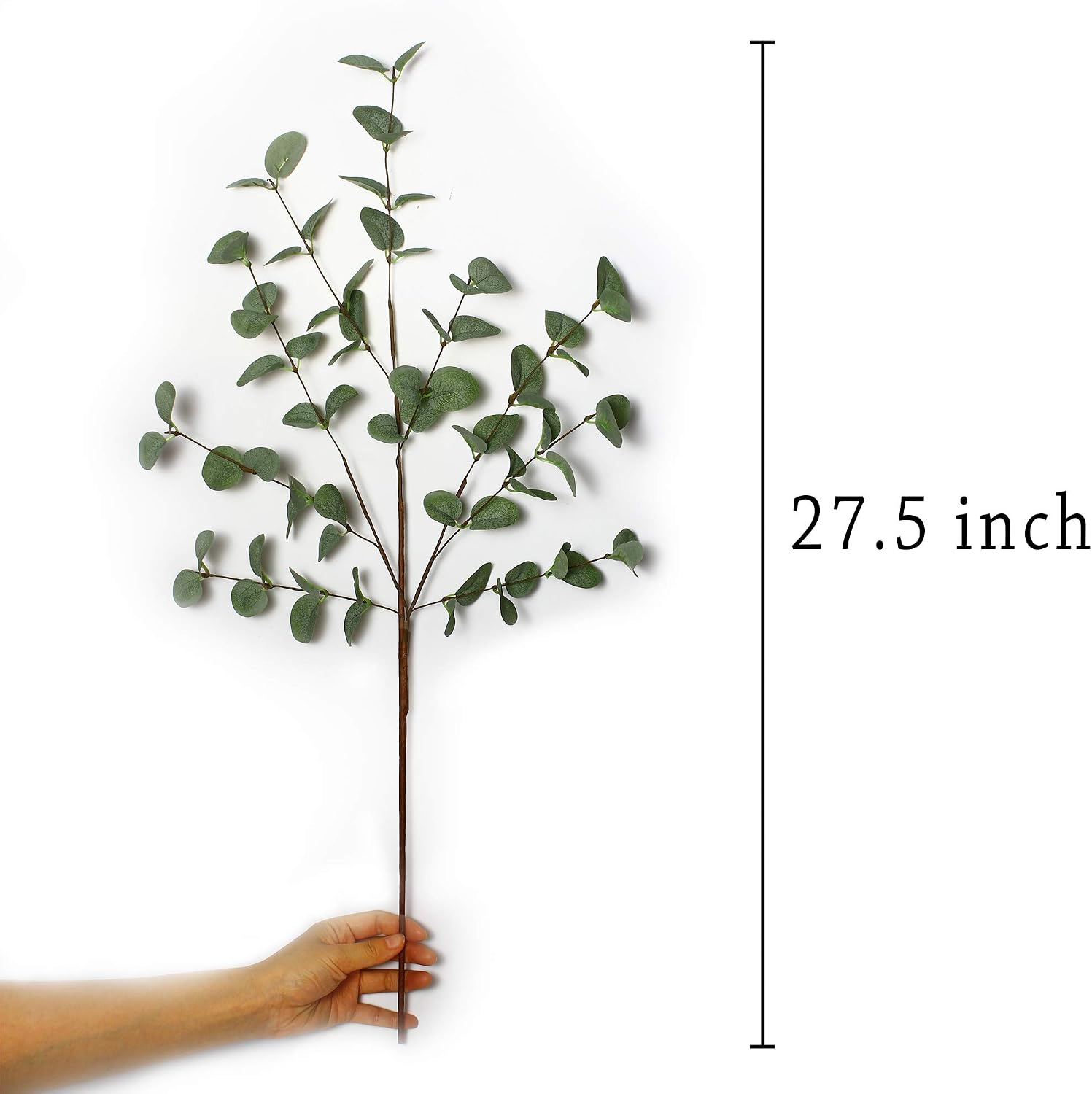
6
$19.99
In stock on Amazon
Check price on AmazonThis is where foam roses enter the picture seriously, and where the buying decision gets more nuanced.
Foam roses in this range offer a texture that polyester bundles at the same price can’t match: matte, dense, slightly yielding. Reviewers describing these stems reach for fabric analogies — “felt,” “thick paper” — rather than plastic ones, which is exactly the right sign. The tradeoff is that foam petals are less forgiving of reshaping. If a petal arrives slightly compressed from shipping, you can steam or carefully warm polyester petals back into shape; foam is more resistant.
Color accuracy improves in this tier, partly because foam takes dye more evenly than woven polyester. Ivory and white tones in particular look cleaner — less likely to show the faint yellow tint that plagues budget white polyester roses.
Brides’ “The Best Artificial Wedding Flowers, Tested and Reviewed” (2025) specifically calls out foam construction as a differentiator for wedding applications, noting that foam roses hold their shape through a full event day better than loose-weave polyester under humid conditions — relevant if you’re planning outdoor ceremonies or greenhouse venue installs.
The purple rose edge case: Purple is the hardest rose color to source in live florals. One of the most specific real-world use cases in this category’s review record involves a buyer who mixed purple faux roses into a live wedding bouquet because no florist could source the color. If you’re planning a non-traditional wedding palette — dusty lavender, deep plum, true violet — this is a genuinely important option. Faux purple roses in this tier read as convincing when mixed into live arrangements, where the eye is tracking color first and texture second.
The $19–$25 Tier: Per-Stem Investment, Not Bundle Logic
Premium Polyester and Real-Touch Construction
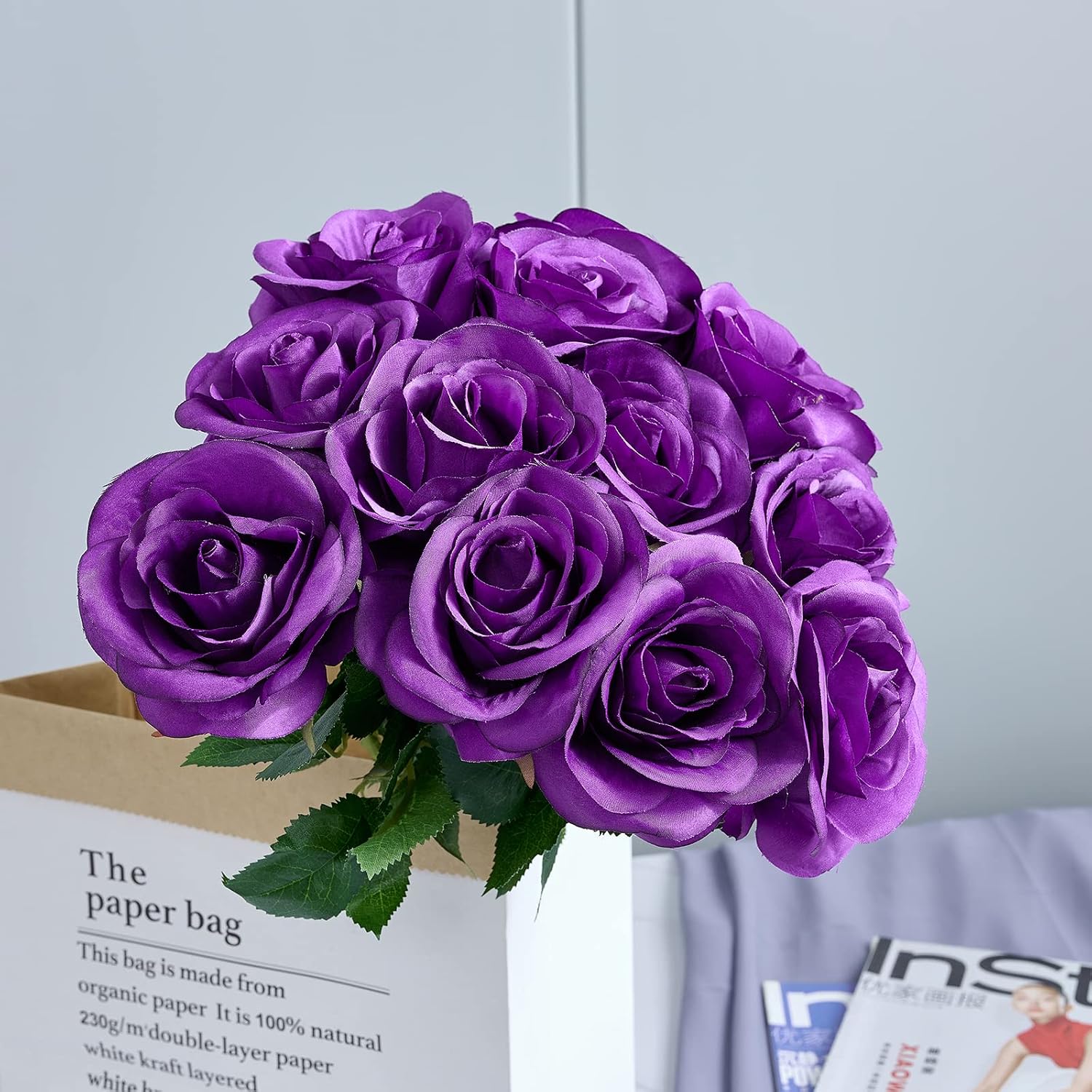
12Pcs
$21.99
In stock on Amazon
Check price on AmazonAt this tier, you’re typically buying individual stems or smaller packs of three to five stems at a per-stem cost of $4–$8. The value proposition shifts: you’re paying for consistency, better stem construction, and materials that hold up to close inspection.
Long-stem light pink roses in this range attract a disproportionate share of “I’m not usually a fan of faux flowers” reviews from buyers who explicitly identify as skeptics of artificial florals. That’s a meaningful signal. Products that earn a “gateway” reputation do so by closing the perceptual gap between artificial and real for buyers who aren’t predisposed to accept it. House Beautiful’s “Faux Flowers That Actually Look Real” (2024) notes that light, cool pinks are particularly effective in the faux format because the subtle color variation in real rose petals is easier to replicate in matte polyester than deep, saturated tones.
Real-touch stems also appear at the top of this range. At $20–$25 per stem, the coating is thicker and more consistently applied than at the $8 tier. Owners in longer reviews — those spanning 12 or more months of ownership — report less coating separation than entry-level real-touch options. The Floral Design Institute’s guidance on faux floral maintenance notes that real-touch latex should still be kept away from direct sunlight and humidity to prevent surface degradation.
By the numbers:
| Tier | Typical format | Per-stem cost | Best visual distance | Reshapeable? |
|---|---|---|---|---|
| $8–$12 Floroom — $12.99 | 6–10 stem bundles | $1–$2 | 3 ft+ | Yes (polyester) |
| $13–$18 6 — $19.99 | 3–6 stem bundles | $3–$5 | 18 in+ | Limited (foam) |
| $19–$25 12Pcs — $21.99 | Single / 3-pack | $4–$8 | 6 in+ | Yes (polyester/real-touch) |
Mixing Brands and Stems: The Decision Logic
A question that comes up constantly in event planning contexts: can you mix stems from different brands in the same arrangement without them clashing? The honest answer is yes, with one calibration step.
The variables that cause clash are sheen level and stem gauge, not brand identity. A matte foam rose sitting next to a high-gloss polyester rose will look like two different products regardless of how close the colors are. Match by material finish first, then by color. Brides’ “The Best Artificial Wedding Flowers, Tested and Reviewed” (2025) notes that mixing real-touch and matte foam roses works well because both have low-reflectance surfaces — the material difference reads as natural variety rather than inconsistency.
Stem gauge matters for arrangements in vessels: a narrow wire stem and a thick wrapped stem at the same height will sit differently in floral foam (a dense foam block used to anchor stems in place), creating uneven geometry. If you’re mixing sources for a structured centerpiece, check stem diameter in the product specs before ordering.
Frequently Asked Questions
Do silk rose colors look the same in person as they do in listing photos? Frequently not, especially in reds and deep pinks. Product photography is shot under controlled lighting that tends to brighten and saturate deep dye colors. Red roses in particular arrive darker — wine or burgundy rather than true red — across a significant share of reviews in this category. For any color-critical application, order a single stem first.
What’s the difference between foam, silk, and real-touch rose petals in terms of how they look and feel? Silk (polyester) drapes and has a slight fabric sheen. Foam is matte and slightly yielding — reviewers consistently describe it as feeling like dense felt rather than plastic. Real-touch has a soft, slightly tacky surface that mimics the fleshy texture of a live petal. Silk is the most reshapeable; foam holds its molded shape best; real-touch offers the closest tactile illusion but requires careful handling to protect the coating.
How many stems do I need to fill a medium vase without it looking sparse? A medium vase (roughly 8–10 inches tall, 4–5 inch opening) needs 7–12 stems to look full, depending on bloom diameter. Larger-bloom roses with heads around 3.5 inches can fill a vase with 7–9 stems. Smaller or tighter buds may need 12 or more. Apartment Therapy’s “How to Style Faux Flowers So They Actually Look Real” (2024) offers a standard design rule: odd numbers look more natural than even, and the tallest stem should stand roughly 1.5 times the vase height.
Can I mix different brands of roses in the same bouquet without them clashing? Yes, if you match on sheen level — matte-to-matte or satin-to-satin — and keep stem gauges compatible. Color family matters less than material finish. A subtle color variation reads as naturalistic; a sheen mismatch reads as inconsistency. Real-touch and foam often mix well because both are low-reflectance surfaces.
How do I clean silk roses without damaging the petals? Dust with a soft, dry brush or use a hairdryer on the lowest cool setting held at least 12 inches away. For foam roses, wipe individual petals with a barely-damp cloth — do not saturate. For real-touch stems, avoid water entirely; it can lift the latex coating. The Floral Design Institute’s care guidance for faux florals recommends against spray cleaners or compressed air at close range — both can distort petal shape or introduce moisture beneath coatings.
The Decision Rule
If you’re outfitting a backdrop or arch where viewing distance is three feet or more, buy volume at the $8–$12 tier and prioritize stem count over per-stem quality. If you’re building a centerpiece or bouquet that will be held or viewed up close, move to the $13–$18 foam tier for texture credibility. If the arrangement needs to survive scrutiny at arm’s length — held bouquets, tablescapes at intimate dinners, lobby installs where guests walk past slowly — spend the $19–$25 per stem for real-touch or premium polyester construction. The tier jump is only worth it when the viewing context demands it. Match the material to the distance, not to your ambition for the arrangement.